YouTube

Arena and route hub
Steel Crossfire Maps: Modes, Routes, and Match Check Guide
Turn available map evidence into a route-testing method instead of an imaginary complete atlas. Review documented arena and mode context, identify open lanes, cover, height, objectives, and form constraints, then verify the current rotation in your own server because names, geometry, spawns, and objectives can change between updates. Keep the same start, destination, form, and match phase for repeated attempts, and retire a route when current collision or objective placement invalidates it.
Route checksMeasure exposure, cover, destination, and escape
Form-aware pathsTest Bot, Vehicle, and Jet movement separately
Mode contextConnect eliminations to actual objective value
Live rotationConfirm names, spawns, and geometry after every update
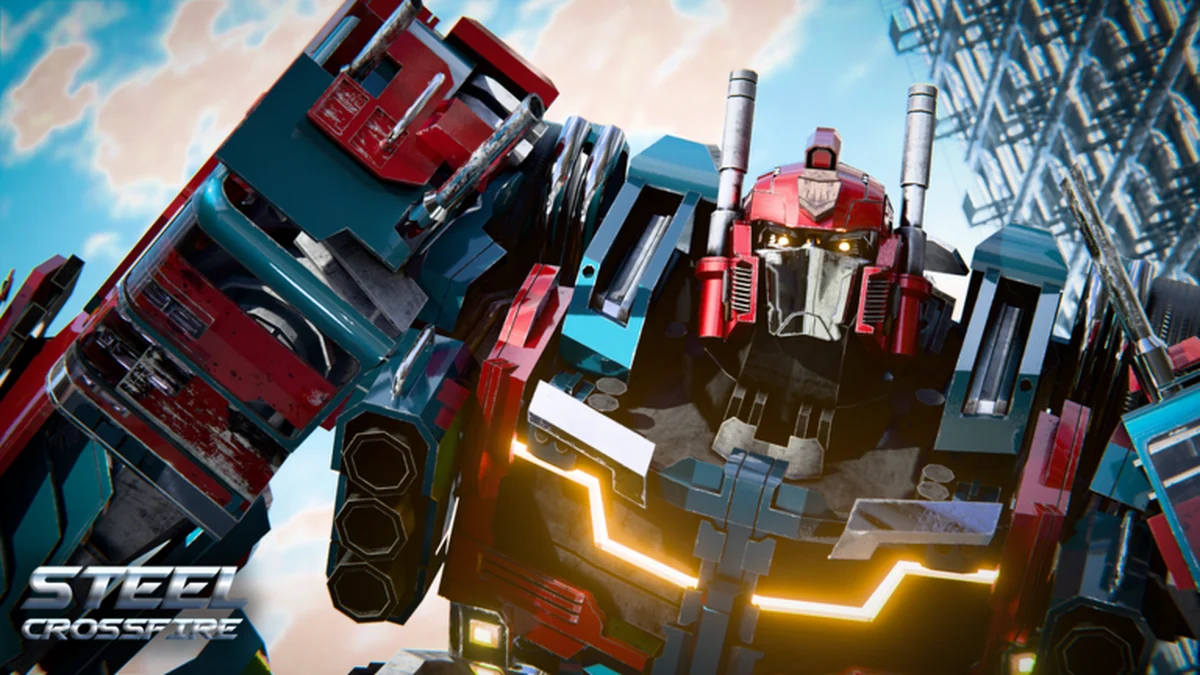
Watch a dated map update example
Use the footage to study landmarks, route width, open sky, buildings, and form changes. It is a historical gameplay sample, so confirm the current arena name, layout, objective, spawn, and available route before copying a tactic.
How this map coverage stays useful without inventing an atlas
The collected evidence does not provide a single official, current table for every arena, game mode, spawn point, boundary, or objective location. It does include community map pages and dated gameplay videos with specific map and mode context. The map overview therefore treats each documented name as a starting point and gives you a consistent worksheet for verifying the current version in a live match.
Every route is evaluated through visible conditions: start landmark, destination, cover breaks, open exposure, elevation change, transformation clearance, objective contribution, and exit. This method works for a Bot approaching a firing lane, a Vehicle navigating tight turns, or a Jet using buildings and altitude. It also prevents a creator highlight from becoming a universal claim when the player, side, team state, or map phase was different.
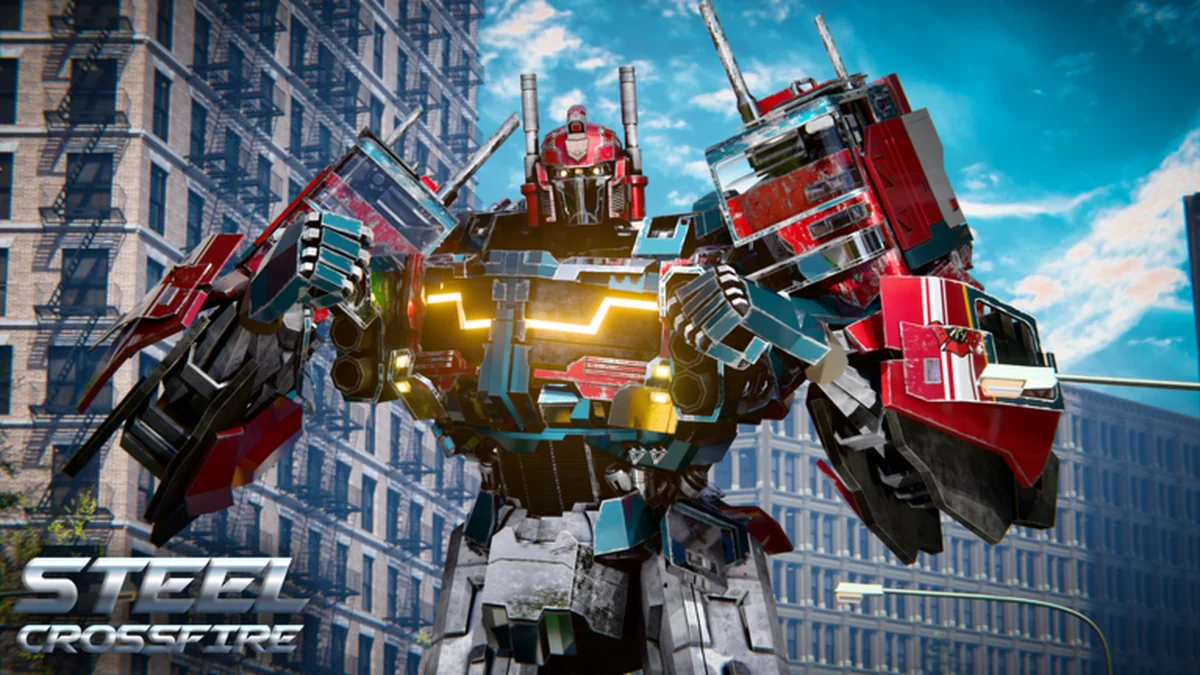
For City, community documentation describes a relatively small arena with similar buildings, a larger central grass area, high ground, and winding turns. That supports practical questions about crossing open space and using building edges, but not a precise current coordinate map. For every arena, read the name and mode shown in the server, date your note, and retire routes after geometry or objective updates make them unreliable.
A strong route also records what happens after arrival. Measure whether the character can contribute at the intended range, survive the contest, and leave after a missed attack. Arrival time without useful pressure is not enough; neither is a high elimination total that ignores the visible objective or team state.
Choose the route problem you can reproduce
Keep the same start, destination, form, and match phase for several attempts before deciding whether the map or character caused the result.
I need the full map method
Open the documented arena summary, route worksheet, and update checklist.
Read the map overviewI am testing form movement
Use the official controls and practice Bot, Vehicle, and Jet paths with destinations.
Review transformation modesI am testing a mobile character
Apply Strato's Jet route checks to current buildings, altitude, and objectives.
Open the Strato guideThe map changed after an update
Check the update archive, then retest affected paths without altering old dated notes.
Browse updatesFeatured map and route guide
The current card is built from published article metadata and shows its review date. Open it for the evidence boundary, route table, and live verification sequence.
All published map guides
The current overview collects documented map context and a reusable route-testing framework. It does not claim to be a live minimap or exhaustive coordinate database; open the current server to verify names, modes, geometry, objectives, and spawns.
Connect the arena to movement and match decisions
Transformation modesPractice official inputs with route clearance in mindBeginner routeLearn one safe lane before expanding the testCharacter rosterSelect a profile whose form matches the route jobRole rankingsCompare objective, holding, pressure, and mobility jobsUpdate archiveCheck whether map or movement context has changed
Map and route questions
How many maps are currently in Steel Crossfire?
The collected sources do not provide a reliable official current total. Check the live rotation and use the overview for documented examples and a verification worksheet.
Does this site provide exact spawn coordinates?
No. Exact coordinates and a complete current layout were not supported. The guide uses visible landmarks, cover, exposure, objectives, and transformation clearance instead.
What should I record when testing a route?
Record map, mode, side, start landmark, destination, form, cover breaks, exposure, objective value, exit, and patch date. Repeat under comparable match conditions.
Are video routes still current?
Not automatically. Videos are dated visual evidence. Compare every path with current geometry, spawns, objectives, movement, and collision before relying on it.
Why can a map change a character ranking?
A new roof, blocked street, open objective, lower ceiling, or tighter turn can change how safely a form reaches its job without changing the displayed character stats.
Turn the next match into a controlled route test
Open the overview, select one start and destination, record the live mode and patch date, and repeat the path before changing characters.